

7 Ways to Pray the Novena for Beginners
Last Updated: November 1, 2026
Quick Summary
A novena for beginners is a Catholic prayer repeated over nine consecutive days with the same intention, following an opening prayer, a short daily meditation and a closing prayer. Ten to fifteen minutes a day is enough, and if you miss a day you simply continue the next day rather than starting over.
The nine-day pattern follows the nine days the apostles and Mary spent in prayer before Pentecost.
A complete sample daily routine takes about twelve minutes from preparation to journal line.
Choose one intention stated in a single sentence before picking which novena to pray.
Read the first day's prayers once as a five-minute test before committing to nine days.
If nine consecutive days is unrealistic, some novenas are prayed over nine weeks, one day per week.
Table of Contents
What a Novena Is and Why Beginners Start One
A novena is a Catholic prayer repeated over nine consecutive days, asking a saint or Our Lady for intercession. The word comes from the Latin novem, meaning nine. This guide walks through seven practical ways to pray the novena for beginners, so anyone new to the practice can start with confidence this week.
The nine-day pattern follows the nine days the apostles and Mary spent in prayer in the upper room before Pentecost. Beginners often turn to a novena during a difficult season, before a major decision, or simply to build a steady prayer routine. The structure does the hard work for you: the same intention, the same prayers, nine days running.
How to Pray a Novena: The Simple Daily Structure
Most novenas follow three movements: an opening prayer, a short meditation on the day's theme, and a closing prayer. Keep each part brief. Ten to fifteen minutes a day is enough.
Opening Prayer, Daily Meditation and Closing Prayer
Begin with the Sign of the Cross, then pray the opening prayer of your chosen novena. Read the day's meditation slowly, then sit with it for a moment in silence.
The FOCUS guide to praying a novena sets out this opening-meditation-closing pattern clearly, and it works for individual, family or group prayer. If you are new to Marian devotion altogether, our guide to the meaning and blessing of the Miraculous Medal explains the context before you begin.
How Long Is a Novena and What If You Miss a Day
A novena runs for nine days, though some are prayed over nine hours or nine weeks. The classic form is nine consecutive days, and that is the form most beginners should start with because it builds a daily rhythm quickly.
Ascension Presents
Why nine days, and what the length actually asks of you
The nine-day pattern follows the nine days the apostles and Mary spent in prayer in the upper room before Pentecost. In practice, nine days is short enough to commit to and long enough to notice a change in your prayer. Ten to fifteen minutes a day for nine days is roughly two hours of prayer in total, which is why the novena is often recommended as a first devotion rather than a lifelong one.
What to do if you miss a day
Missing a day does not ruin a novena. A common approach is to pick up the next day and finish the nine days of prayer rather than starting over. If you miss several days, restart when you can give it proper attention.
Pro Tip If you know a day will be impossible, pray a shortened form in the morning: the Sign of the Cross, one Our Father, one Hail Mary, one Glory Be, and your intention in your own words. A short faithful day is better than a skipped one.
Practical guidance versus perfectionism
A useful distinction for beginners: the novena is a devotional practice, not a contract. A novena is generally understood as a devotional practice rather than a strict obligation. Treat the nine days as a structure that helps you pray, not a test you can fail.
When to restart rather than continue
Restart if you have missed more than two or three days in a row and have lost the thread of the daily meditation, or if you began the novena during a crisis and now want to pray it with more attention. Restarting is not a penalty; it is a fresh start with the same intention. Many people pray the same novena more than once over a year for the same intention, and that is a normal pattern rather than a sign the first attempt failed.
Adapting the nine days to a busy schedule
If nine consecutive days is unrealistic, some novenas are traditionally prayed over nine weeks, one day per week, often on the same weekday. That form suits shift workers, parents of young children, and anyone whose days vary. Choose the form you can actually complete, and write the nine dates in your calendar before you begin. A novena you finish over nine weeks is worth more than one you abandon in four days.
Novena Prayers for Beginners: Written or Personal
Written novena prayers are the easier starting point. They give you exact words, a daily theme and a clear structure, so you never wonder what to say next.
Personal prayer suits someone who already prays freely and wants to speak to God in their own words.
How to Choose a Novena That Fits Your Intention
Choose your intention first, then find the novena that matches it. This order matters. Dynamic Catholic's guide to novenas makes the same point: settle on what you are asking for before you pick the prayers. A clear intention keeps you praying on day seven when the novelty has worn off.
Start with one intention, stated plainly
Write your intention in a single sentence before you look at any novena. For example: "For guidance in a job decision," "For healing for my father," or "For peace in our family." A single sentence is easier to hold in mind each day than a list of several needs, and it makes the choice of novena obvious.
Matching a need to a devotion
For guidance and major decisions: the Novena to the Holy Spirit
For family and relationship needs: a novena to the Sacred Heart or St Joseph
For healing: a novena to Our Lady of Lourdes or St Peregrine
If nothing matches exactly, choose the saint or mystery closest to your need. Our Lady's intercession is a natural starting place for many beginners.
Written novena or personal prayer: how to decide
Written novena prayers are the easier starting point. They give you exact words, a daily theme and a clear structure, so you never wonder what to say next. Personal prayer suits someone who already prays freely and wants to speak to God in their own words.
Key Takeaway If you are new to prayer, start with a written novena. If you already pray daily in your own words, a personal novena with a fixed opening and closing prayer may suit you better. Either form is valid.
Adapting the choice to your schedule and setting
A novena does not require a church, a candle, or a quiet hour. It requires nine days of prayer. Choose a form that fits your real life:
Limited time: a short written novena with a single opening prayer, one decade of the Rosary, and a closing prayer can be prayed in five minutes.
Family prayer: a novena prayed aloud after dinner, with one person reading the meditation and everyone joining the traditional prayers, works well for households with children.
Online or printed prayers: printed booklets and reputable online novena pages both provide the daily prayers; a printed booklet is more reliable when wifi or a phone battery fails.
A simple way to test your choice
Before you commit to nine days, read the first day's prayers once. If the words feel like a fit for your intention and you can imagine praying them nine times, begin. If the language feels distant or the theme does not match your need, choose a different novena now rather than switching on day four. A five-minute test saves a false start.
Seven Practical Ways to Pray the Novena
Here are seven approaches that make the novena for beginners easier to sustain. Try one, or combine two or three.
1. Pray at the Same Time Each Day
Pick a fixed time, ideally the same slot every day. Morning coffee, the lunch break, or the last ten minutes before bed all work. A fixed time removes the daily decision of when to pray, and that decision is usually what breaks the habit.
2. Use a Written Novena Guide
A printed or downloaded guide keeps you on track. It carries the opening prayer, each day's meditation and the closing prayer, so your attention stays on praying rather than searching for what comes next. Booklets also survive bad wifi and busy mornings.
3. Pray with a Friend or Family Member
Two people praying the same novena keep each other accountable. Pray together in person, or send a short message each evening once you have finished. Families can pray it aloud after dinner, which is how many Catholic households first learn the practice.
4. Add Scripture or a Daily Reflection
Read a short passage of Scripture before the meditation, then reflect on one line. The My Catholic Life! Holy Spirit novena resource pairs each day with scripture and a reflection, which shows how much a single verse can open up a day's prayer.
5. Pray the Rosary Alongside the Novena
Add a decade of the Rosary to your daily novena, or pray a full Rosary on the final day. The Rosary's rhythm of repeated Hail Marys settles the mind, and the two practices share the same focus on Mary's intercession. Beginners often find the Rosary easier once a novena has built the daily habit.
6. Keep a Prayer Journal of Intentions
Write your intention at the top of a page on day one. Each day, add one line: what you prayed for, what you noticed, what you are grateful for. By day nine you have a record of the whole novena, and answered prayers become visible rather than fading from memory.
7. Use a Medal or Sacramental as a Focus
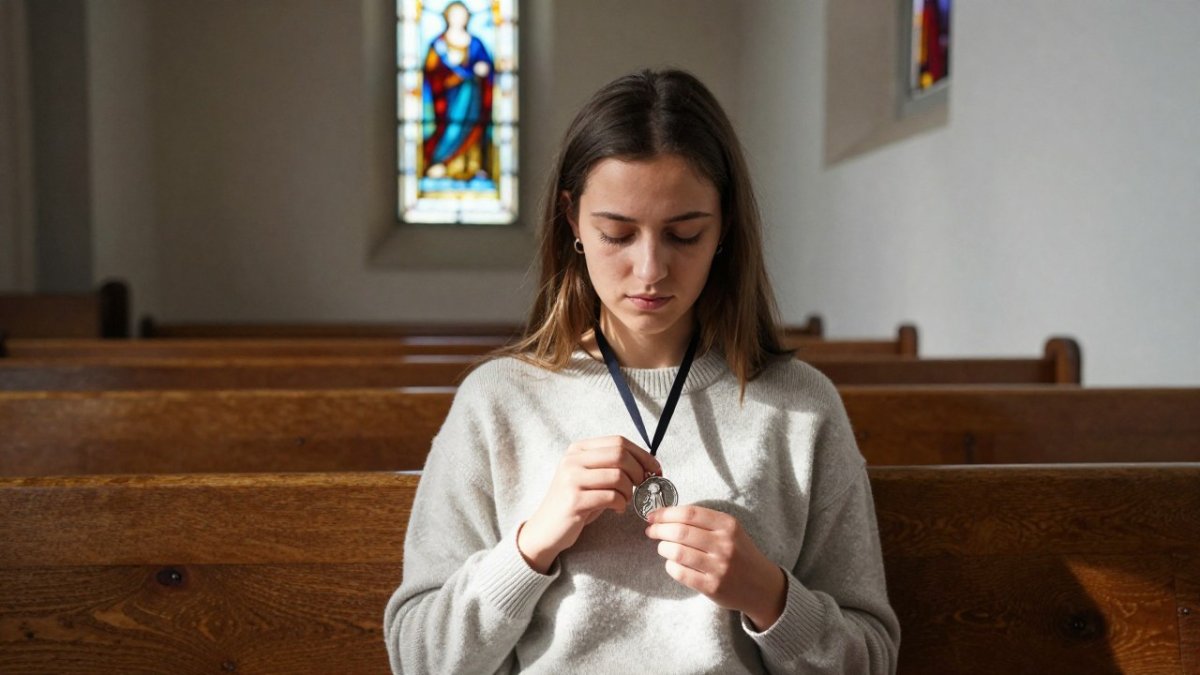
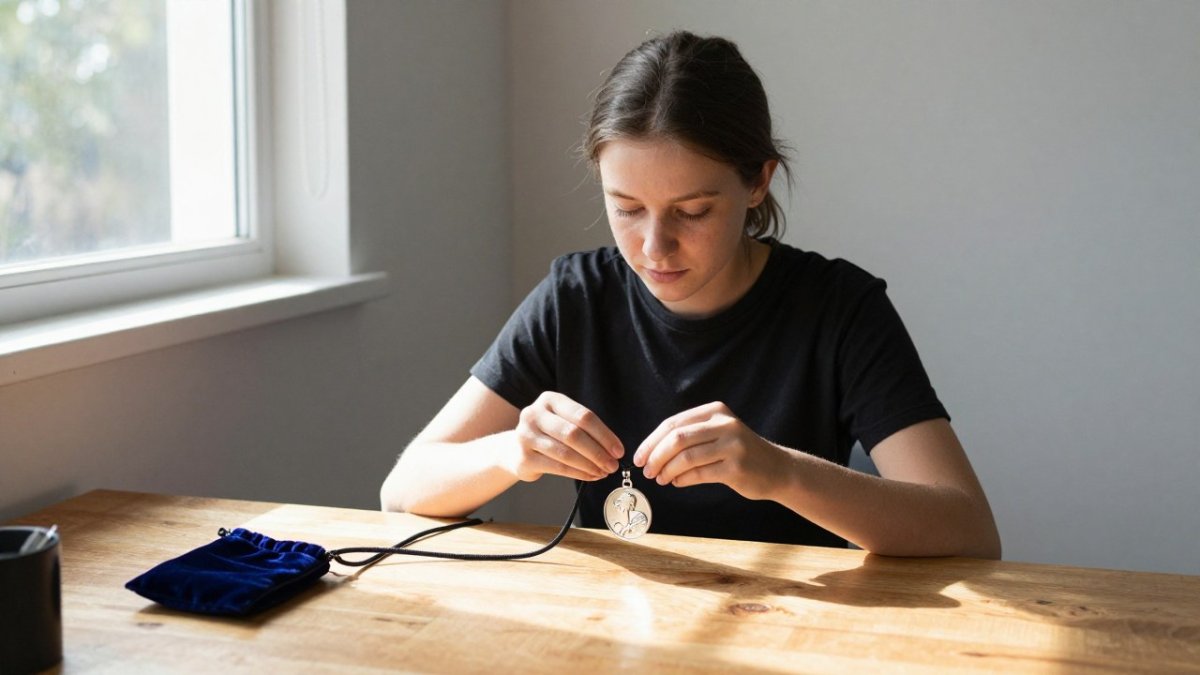
Hold or wear a Miraculous Medal while you pray. Our explanation of the Miraculous Medal symbols covers what each detail on the medal means, and if you have just received one, this guide to wearing a Miraculous Medal covers blessing, placement and daily use.
Here are the seven approaches the article suggests, with what each one involves.
Way to pray | What to do |
Pray at the same time each day | Pick a fixed daily time slot |
Use a written novena guide | Printed or downloaded guide with daily prayers |
Pray with a friend or family member | Pray together or send a short message each evening |
Add Scripture or a daily reflection | Read a short passage, reflect on one line |
Pray the Rosary alongside the novena | Add a decade, or a full Rosary on the final day |
Keep a prayer journal of intentions | Write the intention on day one, add one line daily |
Use a medal or sacramental as a focus | Hold or wear a Miraculous Medal while praying |
A Complete Sample Daily Routine for Your First Novena
Here is a routine you can follow from day one. Total time: about twelve minutes.
Prepare (1 minute): Sit in a quiet spot, place your medal or holy card in front of you, and take one slow breath.
Opening prayer (1 minute): Sign of the Cross, then the novena's opening prayer.
Scripture or reflection (3 minutes): Read the day's passage or meditation slowly, twice.
Silent reflection (2 minutes): Sit quietly and name your intention in your own words.
Traditional prayers (3 minutes): One Our Father, one Hail Mary, one Glory Be.
Closing prayer (1 minute): The novena's closing prayer, then the Sign of the Cross.
Journal line (1 minute): Write one sentence about the day's prayer.

This routine fits before work, after the school drop-off, or in the evening. If your schedule changes daily, move the routine rather than skip it.
Prepare Your First Novena with a Miraculous Medal
A medal gives your novena a physical anchor, something your hands and eyes return to each day.
If you are ready to begin, you can purchase a small Miraculous Medal to hold during prayer, or order a set of ten Miraculous Medal holy cards for reflection alongside each day's meditation.
Frequently Asked Questions
Can beginners pray a novena without any experience?
Yes. A novena is simply a prayer repeated over nine consecutive days, so no prior experience is needed. Start by choosing one clear intention, pick a written novena or a personal prayer, and set aside ten to fifteen minutes daily. The structure is usually an opening prayer, a short meditation or reflection, and a closing prayer such as the Our Father, Hail Mary and Glory Be. Consistency matters more than eloquence, and a sincere heart is the only real requirement.
What happens if I miss a day of a novena?
Missing a day does not ruin the novena. Some people simply continue where they left off the next day, or add the missed day at the end so they still complete nine days of prayer. The practice is not a contract, and God is not counting errors. If you miss several days, restart when you are ready. Beginners often find that a fixed time and a written guide make missed days far less likely.
Do you have to pray a novena at the same time every day?
No, but a consistent time helps. Praying at the same hour each day builds a routine and makes it easier to remember, whether that is morning coffee, lunchtime, or before bed. If your schedule shifts, pray when you can. The nine days matter more than the clock. Many beginners attach the novena to an existing habit, such as after the Rosary or before the evening news, to keep it steady.
How long does it take to pray a novena each day?
The time a novena takes each day depends on the prayers and reflections included. A simple version with an opening prayer and a closing prayer can be short, while longer novenas with scripture readings may take more time. Beginners should start short and add reflection as the habit settles.
Do novenas end on the feast day?
Some novenas are timed so the ninth day falls on the feast day of the saint or mystery being honoured, which is why start dates can vary through the year. You can also begin any novena on a date that suits your intention, since the nine-day format is the constant, not the calendar.
Starting a novena can feel daunting when you are unsure of the words, the timing or what happens if life interrupts. We are here to help you begin with a medal in hand and a clear routine in front of you. Get started with Miraculous Medals and pray your first nine days with confidence, supported by same-day dispatch and a black cord included for immediate wear.
Comments