

Miraculous Medal vs Brown Scapular: Which Devotion Is Right for You
Table of Contents
Understanding the Miraculous Medal and Brown Scapular
Miraculous Medal Meaning and Devotion
Origins and Saint Catherine Labouré
Promises and Spiritual Protection
Brown Scapular Meaning and Promises
Marian Devotion and Carmelite Tradition
Enrollment and Church Teaching
How to Wear a Brown Scapular
Wearing a Medal and Scapular Together
Key Differences at a Glance
Choosing Your Devotion: Which Is Right for You
Conclusion
Frequently Asked Questions
Last Updated: October 5, 2026
Understanding the Miraculous Medal and Brown Scapular
The miraculous medal vs scapular comparison reveals both profound expressions of Marian devotion, yet they differ in origins, promises, and commitment.
The Miraculous Medal is a sacramental medal bearing the image of Mary with rays of light streaming from her hands, along with the letter M crowned with a cross and two hearts below. The Brown Scapular is a small cloth garment worn around the shoulders, typically made of brown wool or cloth, with images of Mary and the Sacred Heart. Both are sacramentals, sacred objects that the Church recognises as channels of grace when used with faith and devotion.
Many Catholics are drawn to one or both but few grasp the theological and practical differences. This guide explores the history, promises, and proper use of each devotion.
Miraculous Medal Meaning and Devotion
Origins and Saint Catherine Labouré
The Miraculous Medal traces its origin to France in 1830, when Saint Catherine Labouré, a young Vincentian nun, reported visions of the Blessed Virgin Mary. During these apparitions, Mary instructed Catherine to have a medal struck bearing specific symbols: the letter M with a cross above it, two hearts beneath (one crowned with thorns, the other pierced with a sword), and the words "O Mary, conceived without sin, pray for us who have recourse to thee."
Church authorities eventually approved the medal for public devotion. It became known as "miraculous" because of the numerous conversions, healings, and spiritual transformations reported by those who wore it with faith, spreading from France to become one of the most widely worn Catholic sacramentals.
The medal's design carries deep Marian theology: the rays of light represent grace flowing from Mary to the world, the two hearts symbolise Christ's Sacred Heart and Mary's Immaculate Heart, and the letter M crowned with a cross represents Mary's union with Christ's redemptive work.
Promises and Spiritual Protection
The promises associated with the Miraculous Medal are substantial, though the Church carefully qualifies them. Those who wear the medal with devotion and recite the prayer, "O Mary, conceived without sin, pray for us who have recourse to thee", are promised special graces and protection. The medal is understood as a powerful means of obtaining conversion of sinners, spiritual strength during trials, and deliverance from danger.
What distinguishes the Miraculous Medal is that these promises are not conditional on formal enrollment. Any Catholic who wears the medal with faith and reverence participates in its benefits, and many testimonies describe conversions, healings, and spiritual transformations attributed to its intercession.
The Church teaches that sacramentals like the medal work through the prayers and faith of the user, not through any inherent magical power. Worn with genuine faith, it becomes a constant reminder of Mary's presence and protection.
Brown Scapular Meaning and Promises
Marian Devotion and Carmelite Tradition
The Brown Scapular originates in the Carmelite tradition, tracing back to Saint Simon Stock, a 13th-century Carmelite friar. According to tradition, the Blessed Virgin Mary appeared to Simon Stock and promised: "Whoever dies wearing this scapular shall not suffer eternal fire." This promise, known as the "Carmelite Promise," became central to Brown Scapular devotion.
The scapular consists of two small cloth squares connected by cords worn over the shoulders, one on the chest and one on the back. Traditionally made of brown wool, it bears images of Mary and the Sacred Heart, with the brown colour representing humility and penance.
The Brown Scapular is deeply connected to Carmelite spirituality, which emphasises contemplative prayer, devotion to Mary, and simplicity. Wearing it is an intentional commitment to Marian devotion and to following Christ through Mary's intercession.
Enrollment and Church Teaching
To receive the full spiritual benefits of the Brown Scapular, a Catholic must be formally enrolled by a priest or authorised minister. This enrollment ceremony, sometimes called "investiture," involves a priest blessing the scapular and placing it on the person. The Church teaches that formal enrollment is necessary to enter into the specific promises associated with the scapular.
The Church teaches that the promise of protection from eternal fire is conditional: the wearer must live a life of faith, avoid mortal sin, and maintain devotion to Mary. The scapular is not a guarantee of salvation but a sacramental aid to living virtuously, and popes from John Paul II onward have affirmed its value while clarifying that the promises depend on sincere Christian commitment.
The Church recognises a "scapular medal" as a valid substitute for those unable to wear cloth comfortably, providing the same spiritual benefits when the wearer has been enrolled by a priest and maintains genuine devotion.
How to Wear a Brown Scapular
Proper wearing of the Brown Scapular is straightforward but requires intention. The two cloth squares should rest comfortably against the body, one on the chest, one on the back, suspended by cords over the shoulders. The scapular sits beneath outer clothing, remaining hidden from view. This placement reflects the private, interior nature of the devotion.
The scapular should be worn continuously as a sign of commitment to Mary's protection. Many Catholics wear it daily beneath their clothing for life; its natural deterioration is considered part of the devotion, mirroring the wearing away of self through penance.
For those whose lifestyle makes cloth scapulars impractical, the scapular medal worn on a chain provides the same benefits when the wearer is formally enrolled and maintains genuine devotion.
Keep your scapular clean and in good condition as a sign of respect. When the cloth becomes too worn, replace it rather than discarding it; some Catholics respectfully burn worn scapulars, though simply replacing them is equally valid.
Wearing a Medal and Scapular Together

Many devoted Catholics wear both when considering miraculous medal vs scapular, finding they complement rather than compete. The devotions complement rather than compete: both centre on Marian intercession, both are sacramentals blessed by the Church, and both deepen one's relationship with Mary and, through her, with Christ.
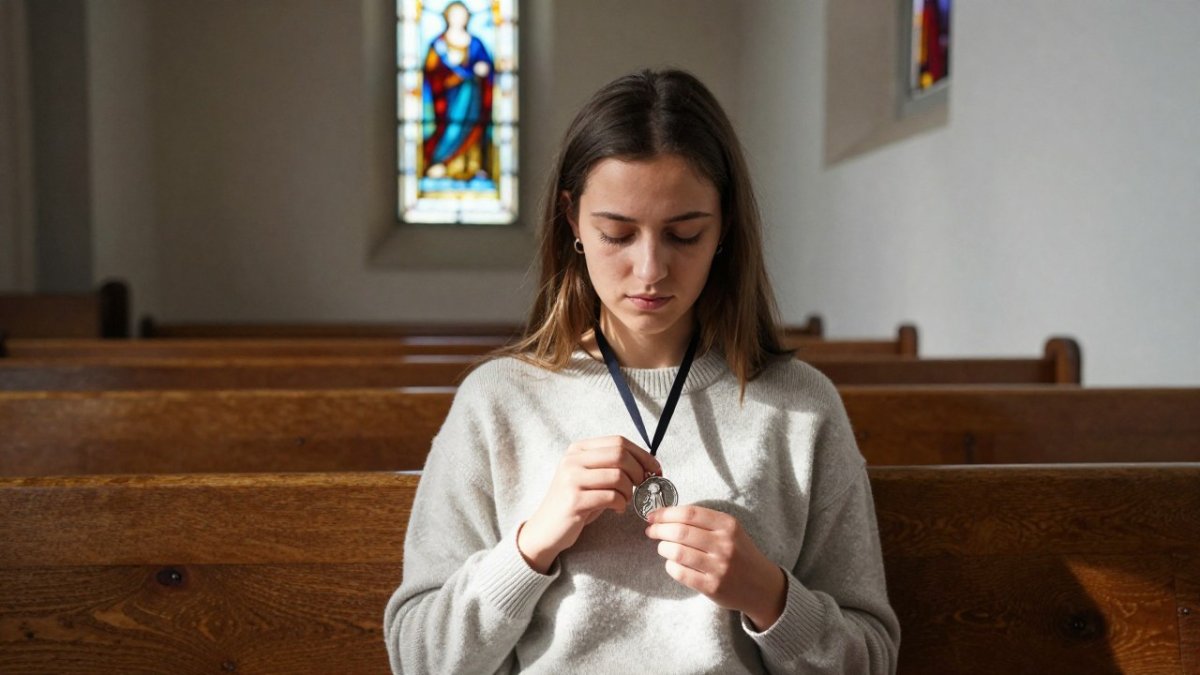
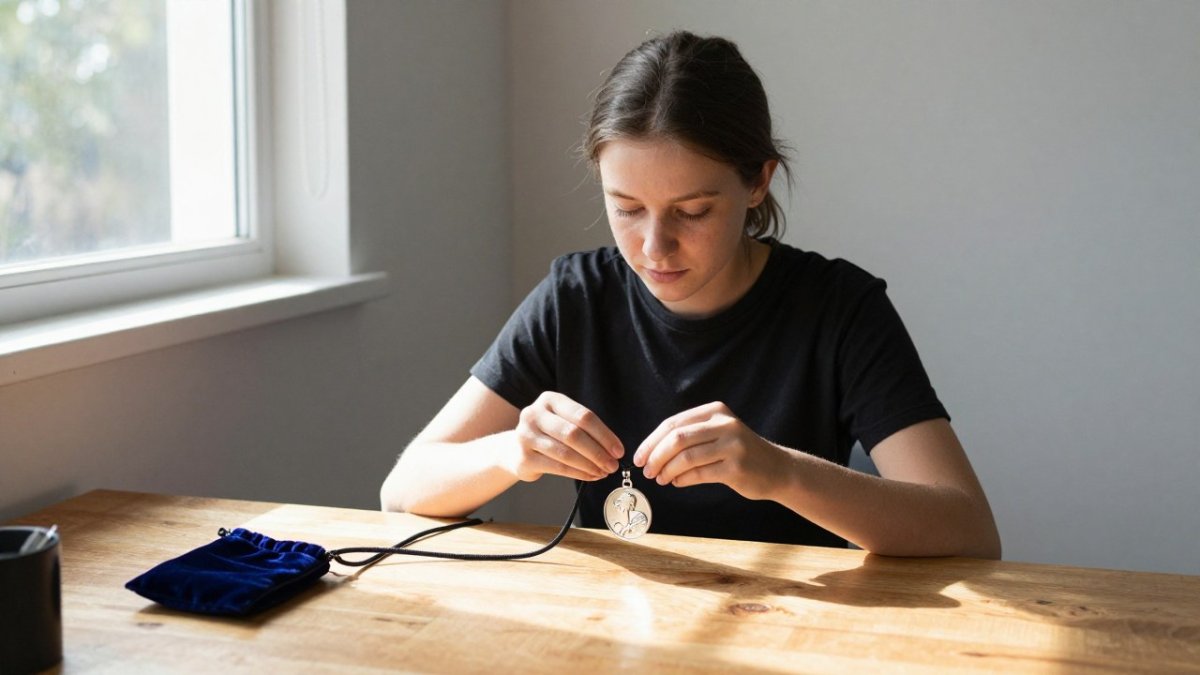
Practically speaking, wearing both is entirely feasible. The Brown Scapular hangs beneath clothing on cords over the shoulders, while the Miraculous Medal can be worn on a separate chain around the neck, also beneath outer garments. Some Catholics wear the Miraculous Medal attached directly to the Brown Scapular's cord, creating a unified devotional practice. At Miraculous Medals, we provide medals with quality cords.
The benefit of wearing both is not additive in a mechanical sense; the devotions reinforce each other. The Miraculous Medal emphasises Mary's rays of grace, the Brown Scapular her protective mantle, together expressing trust in her maternal care and intercession with Christ.
Many parishes and spiritual directors encourage wearing both, particularly for those deeply committed to Marian devotion. The Church places no restriction on wearing both simultaneously; your choice should reflect your spiritual needs and relationship with Mary.
Key Differences at a Glance
Aspect | Brown Scapular | |
Origin | Saint Catherine Labouré's vision, France 1830 | Saint Simon Stock, 13th-century Carmelite tradition |
Physical Form | Metal medal with Mary's image and symbols | Two cloth squares connected by cords |
Formal Enrollment Required | No, benefits available upon wearing with faith | Yes, must be enrolled by priest or authorised minister |
Primary Promise | Conversion of sinners, spiritual protection, grace | Protection from eternal fire (conditional on virtue) |
Wearing Style | Worn on chain around neck, visible or hidden | Worn beneath clothing over shoulders |
Commitment Level | Personal devotion to Mary | Formal commitment to Marian devotion and virtue |
Suitability for Children | Yes, appropriate for all ages | Yes, but typically after age of reason |
Can Be Worn Together | Yes | Yes |
Choosing Your Devotion: Which Is Right for You
The choice between the Miraculous Medal and the Brown Scapular depends on your spiritual circumstances, lifestyle, and the depth of commitment you wish to make. Both are legitimate expressions of Catholic faith. Neither is "better" in an absolute sense, each serves different spiritual needs.
Choose the Miraculous Medal for a simple, accessible introduction to Marian devotion. It requires no formal ceremony or enrollment, so you can begin wearing it immediately with faith and prayer. It suits those whose lifestyle makes cloth scapulars impractical, children, newcomers to Catholic practice, or anyone wanting a tangible reminder of Mary's protection without formal commitment.
Choose the Brown Scapular if you are ready for a formal, intentional commitment to Marian devotion. It represents deeper engagement: placing yourself under Mary's protective mantle and committing to live virtuously. It suits those with established Catholic practice, religious communities, those pursuing consecrated life, or lay Catholics with strong contemplative prayer practices.
Consider wearing both together if you wish to combine the accessibility of the medal with the deeper commitment of the scapular. This approach is increasingly common among devoted Catholics and offers the spiritual benefits of both devotions without conflict.
Your spiritual director, parish priest, or trusted Catholic mentor can help you discern which devotion, or combination of devotions, best suits your current spiritual journey. At Miraculous Medals, we supply medals of quality condition, with optional black cords for immediate wear. We offer same-day dispatch on all orders, ensuring that whatever devotion you choose, you can begin your practice without delay.
Conclusion
The Miraculous Medal and Brown Scapular both express trust in Mary's intercession and protection. The Miraculous Medal, from 19th-century France through Saint Catherine Labouré, offers accessible entry into Marian devotion without formal enrollment.
Neither devotion excludes the other, and many Catholics wear both. Your choice should reflect your spiritual readiness, lifestyle, and the depth of commitment you wish to make.
Miraculous Medals has served the faithful for over five years, providing quality medals with same-day dispatch across Australia.
Frequently Asked Questions
What is the difference between a sacramental and a sacrament? A sacrament is one of seven rituals instituted by Christ (Baptism, Eucharist, Confirmation, etc.) that confer grace directly.
Can I wear the Miraculous Medal without being Catholic? The Church does not prohibit non-Catholics from wearing the medal, though the spiritual benefits are understood to flow through faith in Christ and Mary's intercession.
Can children wear the Brown Scapular? Yes, children can wear the Brown Scapular, though formal enrollment typically occurs once the child reaches the age of reason (around age seven).
What happens if my Miraculous Medal or Brown Scapular breaks? Treat a broken medal or scapular with respect. Do not discard it in ordinary rubbish; many parishes have containers for respectfully disposing of worn sacramentals.
Is wearing a medal or scapular a guarantee of salvation? No. The Church teaches that sacramentals work through the faith and devotion of the person using them, not through any inherent magical power.
About Miraculous Medals
Miraculous Medals has provided quality religious medals to the faithful across Australia for over five years. Whether you are seeking your first medal, replacing a worn scapular, or gifting a sacramental to a loved one, Miraculous Medals provides the reliability and care your faith deserves. Learn more about Catholic sacramentals and their role in spiritual practice Explore the history of Marian devotion in Catholic tradition Understand the Church's teaching on sacramentals and their use
Frequently Asked Questions
Can you wear a Miraculous Medal and a Brown Scapular together?
Yes, many faithful Catholics wear both devotions together. There is no Church prohibition against combining them. Some wear the medal on one cord and the scapular on another.
What is the difference between the Miraculous Medal and the Brown Scapular?
The Miraculous Medal originated from Saint Catherine Labouré's apparitions and focuses on Mary's intercession and protection. The Brown Scapular comes from Carmelite tradition and represents a commitment to Marian devotion with promises of spiritual aid. The medal is worn on a cord around the neck, whilst the scapular consists of two small cloth squares connected by cords worn under clothing. Both are sacramentals that support Catholic faith and spiritual life.
Do you need to be enrolled to wear a Brown Scapular?
Formal enrollment through a priest is the traditional practice and grants the full spiritual benefits associated with the Brown Scapular. However, wearing the scapular with genuine devotion and faith is valued even without formal enrollment. If you wish to receive the complete graces promised, speak with your parish priest about the enrollment process, which is a brief and meaningful ceremony.
Does the Church approve wearing the Miraculous Medal?
Yes, the Catholic Church recognises the Miraculous Medal as a sacramental. Pope John Paul II and other Church leaders have affirmed its spiritual value. The medal's authenticity stems from Saint Catherine Labouré's approved apparitions and the promises of grace associated with it. Wearing it with faith and devotion is encouraged as part of a living Catholic spiritual practice.
Shop Miraculous Medals
Comments