

Gold vs Silver Medals for Men: Meaning, Durability & Care
Table of Contents
Gold vs Silver Medals for Men: Key Differences
Composition and Metal Content
Durability and Long-Term Wear
Visual Appearance and Finish
Gold Catholic Medals for Men: Strength and Symbolism
Why Men Choose Gold Medals
Gold Plating and Longevity
Silver Catholic Medals for Men: Purity and Meaning
Silver Purity Standards
Silver's Role in Religious Tradition
How to Wear a Catholic Medal: Proper Practice for Daily Devotion
Wearing Your Medal on a Black Cord
Placement and Spiritual Intent
How to Clean Religious Medals: Maintenance for Gold and Silver
Cleaning Gold Medals Without Damage
Cleaning Silver Medals and Preventing Tarnish
Choosing Between Gold and Silver: What Matters Most
Durability for Everyday Wear
Personal Devotion and Meaning
Frequently Asked Questions
Last Updated: October 18, 2026
Gold vs Silver Medals for Men: Key Differences
When choosing a religious medal, the material matters more than most people realise. Gold and silver medals serve the same spiritual purpose, but they differ significantly in durability, appearance, and long-term care. Understanding these differences helps you select a medal that will support your daily devotion for years to come.

Composition and Metal Content
Gold medals for men typically feature either solid gold or gold plating over a base metal. Solid gold medals contain a higher percentage of pure gold, making them more durable and resistant to wear.
Silver medals, by contrast, are often made from sterling silver, which is 92.5% pure silver mixed with other metals for strength. This composition gives silver medals a distinct bright finish and a softer appearance compared to gold. The purity standard ensures that silver medals maintain their integrity over time, though they require more regular maintenance to prevent tarnishing.
Pro Tip When comparing gold and silver medals for men, consider how often you'll wear the medal and whether you're willing to perform regular cleaning. Gold requires less maintenance, whilst silver demands consistent care to maintain its appearance.
Durability and Long-Term Wear
Gold medals hold up exceptionally well to daily wear. The metal resists corrosion and doesn't tarnish, meaning a gold medal worn every day will look nearly identical after five years of use. This makes gold an excellent choice for men who wear their medal constantly without removing it.
Silver medals are more delicate in this respect. Exposure to air, moisture, and certain chemicals causes silver to tarnish, a dark coating that builds up over time. Men who wear silver medals daily will notice gradual darkening, particularly around areas where the medal contacts skin or clothing.
Visual Appearance and Finish
The visual difference between gold and silver medals is immediately apparent. Gold medals project warmth and richness, with a yellow or rose-gold hue depending on the alloy composition. Silver medals display a cool, bright lustre that many find elegant and traditional.
For men's medals specifically, the choice often comes down to personal preference and the design of the medal itself. Some religious medal designs photograph better in gold, whilst others showcase their detail more effectively in silver. The finish you choose should complement both your skin tone and your daily style.
Gold Catholic Medals for Men: Strength and Symbolism
Gold has held spiritual significance across cultures for centuries. In Catholic tradition, gold medals worn by men represent both protection and commitment to faith. The metal's resistance to decay mirrors the enduring nature of spiritual devotion.
Why Men Choose Gold Medals
Men often select gold medals because they require minimal maintenance whilst offering maximum durability. A gold medal can be worn constantly, during work, exercise, and sleep, without concern for tarnishing or damage. This practicality appeals to men who want a medal that supports their faith without demanding regular attention.
The symbolic weight of gold also matters. Gold has long represented value and permanence. For men navigating challenges or seeking spiritual grounding, wearing a gold medal serves as a tangible reminder of Mary's protection and their commitment to their faith.
Key Takeaway Gold medals for men offer the perfect balance: they're durable enough for constant wear, require minimal care, and carry deep spiritual significance that resonates across Catholic tradition.
Gold Plating and Longevity
Most gold medals available today feature gold plating rather than solid gold. A properly applied gold plating can last many years with regular wear.
At Miraculous Medals, we ensure that our gold-plated medals receive quality plating that withstands daily wear. The base metal beneath the gold plating is carefully selected to prevent corrosion and maintain the medal's integrity.
Over time, gold plating will eventually wear through in areas of high contact, such as where the medal rubs against the chest or where the chain connects to the medal.
Silver Catholic Medals for Men: Purity and Meaning
Silver carries its own spiritual resonance in Catholic tradition. The metal's brightness symbolises clarity and purity of faith. Many men are drawn to silver medals because of their traditional appearance and the specific purity standards that define them.
Silver Purity Standards
Sterling silver medals meet strict purity requirements. The 92.5% silver standard ensures that the medal contains genuine silver, not merely a silver coating. This purity matters both spiritually and practically, it means your medal is made of real, substantial material rather than a thin veneer.
The remaining 7.5% of sterling silver consists of other metals, typically copper, which strengthen the silver and prevent it from being too soft for practical wear. This composition has been the standard for centuries, making it a time-tested formula for creating durable religious medals.
Silver's Role in Religious Tradition
Silver medals have been part of Catholic devotional practice for generations. The metal's association with purity and light connects to Marian spirituality, the brightness of silver reflecting the light of faith. For men seeking a medal rooted in deep Catholic tradition, silver offers that historical and spiritual continuity.
The tarnishing that occurs with silver is not a flaw but rather part of the medal's life story. Some men view the darkening as evidence of their medal's journey with them, a physical manifestation of years of faithful wearing.
How to Wear a Catholic Medal: Proper Practice for Daily Devotion
Wearing a Catholic medal correctly enhances both its spiritual benefit and its practical longevity. The way you wear your medal affects how it ages and how consistently it supports your faith.
Wearing Your Medal on a Black Cord
The black cord is the traditional way to wear a Catholic medal. It sits close to the body, typically worn under clothing, which keeps the medal secure and protected from external damage.
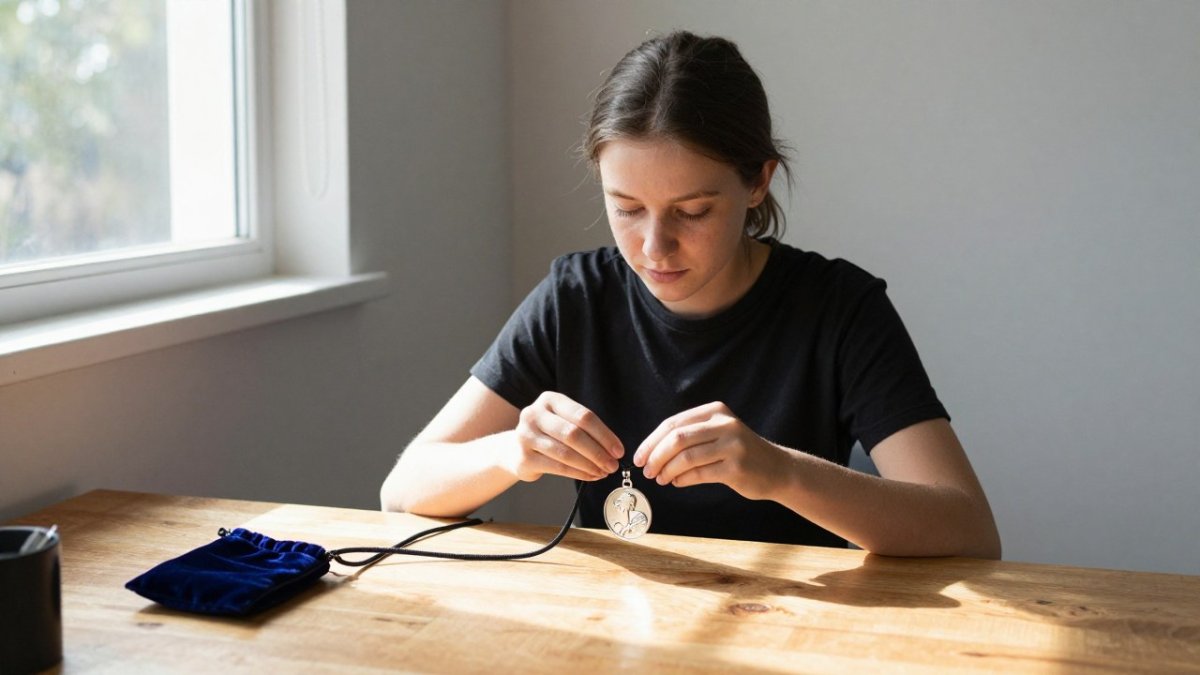
When wearing a medal on a black cord, position it so the medal rests at chest level. The cord should be snug enough to prevent the medal from swinging excessively, which can cause wear to both the cord and the medal's attachment point.
Miraculous Medals includes a quality black cord with each medal order, ensuring you can begin your devotional practice immediately upon receiving your medal.
Placement and Spiritual Intent
The placement of your medal matters spiritually. Wearing it close to your heart symbolises keeping your faith at the centre of your life. This physical proximity serves as a constant reminder of Mary's protection and your commitment to your spiritual journey.
Some men prefer to wear their medal visibly, outside their clothing, as a public expression of their faith. Others keep theirs hidden, viewing it as a private conversation between themselves and God. Both approaches are equally valid, what matters is your intention and consistency in wearing your medal.
Watch Out Avoid storing your medal in damp environments or exposing it to harsh chemicals. Even gold medals can be damaged by prolonged contact with chlorine or saltwater. If you swim regularly, consider removing your medal beforehand or ensuring it's thoroughly dried afterwards.
How to Clean Religious Medals: Maintenance for Gold and Silver
Proper cleaning extends the life of your medal and keeps it looking its best. The cleaning approach differs depending on whether your medal is gold or silver.
Cleaning Gold Medals Without Damage
Gold medals require minimal cleaning but benefit from occasional gentle maintenance. Use warm water and a soft cloth to wipe your gold medal.
Avoid harsh chemicals and abrasive cleaners, which can scratch the gold plating. Never use vinegar or lemon juice on gold medals, as these acidic substances can damage the surface. Dry your medal thoroughly with a soft cloth after cleaning to prevent water spots.
Most gold medals need cleaning only a few times per year, or whenever you notice dust or residue accumulating on the surface.
Cleaning Silver Medals and Preventing Tarnish
Silver medals require more regular attention to maintain their brightness. For light tarnish, use a soft, dry cloth to gently polish the medal.
To prevent tarnish from developing rapidly, store your silver medal in a dry environment. Avoid exposing it to humidity or moisture when not wearing it.
Never use silver polish containing harsh chemicals on religious medals, as these can damage the medal's finish or engraved details.
Care Task | Gold Medals | Silver Medals |
Cleaning frequency | Few times yearly | Monthly or as needed |
Cleaning method | Warm water, mild soap | Baking soda paste or silver cloth |
Storage | Dry environment | Sealed pouch or cloth bag |
Tarnish risk | None | Develops over time |
Maintenance effort | Minimal | Moderate |
Choosing Between Gold and Silver: What Matters Most
The decision between gold and silver ultimately depends on your lifestyle, maintenance preferences, and spiritual inclination.
Durability for Everyday Wear
If you wear your medal constantly, during work, exercise, and sleep, gold offers superior durability. You can wear a gold medal without concern for tarnishing or damage, making it ideal for men who want their faith always with them without the need for regular maintenance.
Silver works well for men who wear their medal regularly but are willing to perform occasional cleaning and maintenance. If you remove your medal during certain activities or store it carefully when not wearing it, silver's lower maintenance burden becomes less of a concern.
Personal Devotion and Meaning
Some men feel a stronger spiritual connection to gold's warmth and permanence. Others resonate with silver's traditional brightness and purity symbolism.
Consider also the specific medal design. Some designs showcase their detail and beauty more effectively in gold, whilst others look striking in silver.
Best For Gold medals work best for men seeking low-maintenance durability and constant spiritual protection. Silver medals suit men who appreciate traditional Catholic symbolism and are willing to perform regular care.
Choosing between gold and silver medals for men isn't simply about aesthetics, it's about selecting a companion for your spiritual journey. Both materials carry deep Catholic meaning and offer genuine protection through Mary's intercession.
At Miraculous Medals, we've served the faithful for over five years, providing quality medals with same-day dispatch across Australia.
Frequently Asked Questions
What is the difference between gold and silver religious medals for men?
Gold medals are typically made with a base metal core covered in gold plating, offering a warm, lustrous appearance and greater durability against tarnishing. Silver medals contain 92.5% pure silver, which gives them a bright, reflective finish but requires regular cleaning to prevent tarnishing. Gold medals suit men seeking a long-lasting daily wear option, while silver medals appeal to those valuing traditional purity and spiritual symbolism. Both serve equally as symbols of Mary's protection and personal devotion.
Which metal is better for a religious medal worn every day?
Gold medals generally perform better for daily wear because the gold plating resists tarnishing and discolouration. Silver medals, while beautiful and spiritually meaningful, require regular maintenance to stay bright and can develop a dark patina if not cleaned frequently. If you prefer minimal upkeep and want your medal to maintain its appearance through constant wear, gold is the practical choice. However, if you're willing to clean your medal regularly, silver's purity and traditional significance make it equally rewarding for daily devotion.
How do you clean and care for a gold or silver medal?
For gold medals, use a soft cloth and mild soap with warm water, then dry immediately to prevent water spots. Avoid harsh chemicals or abrasive materials that could scratch the plating. For silver medals, use a silver polishing cloth or a gentle silver cleaner to remove tarnish, then rinse with water and dry thoroughly. Store both types in a dry place away from moisture and direct sunlight. If your medal comes with a black cord, ensure the cord is dry before wearing.
Can you wear a religious medal on a black cord?
Yes, wearing a medal on a black cord is a traditional and practical choice for daily devotion. The black cord keeps your medal close to your heart throughout the day and is durable for constant wear. Miraculous Medals offers the option to include a black cord with your order, ready to wear immediately. Ensure the cord is clean and dry to prevent any moisture transfer to the medal. Many faithful Catholics prefer the black cord for its simplicity, durability, and the way it keeps the medal secure and visible as a personal symbol of Mary's protection.
Shop Miraculous Medals

Comments